







Search Results for: Italian milk coffee
A Complete Guide to the Espresso Family: From Espresso Base to Specialty Drinks, an Overview of Common Types and Preparation Methods
Walking into any café, espresso is almost always the star of the menu. Many people's first impression of it stops at the intense bitterness of espresso, but in fact, the flavored drinks derived from espresso as a base are rich and varied, and there is always a cup to suit your taste. This article will systematically sort out the common types of Italian coffee, from espresso, Americano, latte, cappuccino to mocha, macchiato, caramel macchiato, and Dirty coffee, introducing one by one their flavor characteristics, ingredient ratios, and preparation methods, while also sharing Front Street Coffee's practical experience in bean selection and serving, to help coffee lovers understand the world of Italian coffee more comprehensively. [more…]
A Complete Guide to Common Espresso Drinks in Cafés: From Espresso to Dirty – Methods and Characteristics
Enter any coffee shop, and espresso is an indispensable presence on the menu. Many people's first impression of espresso is bitterness, but in fact, the espresso-based fancy coffee drinks are rich in variety and diverse in taste, so there is always one to suit you. To truly understand Italian coffee, you first need to know its family members. From the perspective of Front Street Coffee, this article systematically sorts out the characteristics, ratios, and preparation methods of espresso, Americano, latte, cappuccino, mocha, macchiato, caramel macchiato, and Dirty coffee, helping coffee lovers build a complete understanding of Italian coffee. [more…]
A Complete Guide to the Espresso Coffee Family: From Espresso to Specialty Drinks, Common Types and Brewing Methods Explained
In any coffee shop, espresso-based drinks are the star of the menu. Many people are startled by the intense bitterness of their first espresso, but the world of Italian-style coffee is far richer than one might imagine. From the basic espresso, to the Americano diluted with water, the latte and cappuccino blended with milk, and on to the fancy variations with chocolate or caramel, each one has its own unique recipe and flavor logic. This article systematically sorts through the most common types of Italian-style coffee found in cafés, analyzes their origins, ratios, and key preparation points, and shares Front Street Coffee's parameter plans from actual practice, to help coffee lovers find the cup that suits them. [more…]
From Espresso to Macchiato: A Single Chart Clarifies the Methods, Ratios, and Taste Differences of the Italian Coffee Family
Walking into a café, many people are momentarily confused by names like Espresso, Ristretto, Lungo, Latte, and Flat White, unable to tell which is which. In fact, they all belong to the Italian coffee system, and the main differences among them lie in the espresso extraction method, the proportion of milk or milk foam added, and the final cup volume and taste profile. This article uses an infographic along with a drink-by-drink explanation, starting from espresso and then covering Americano, Flat White, Latte, Cappuccino, Con Panna, Mocha, Viennese, Macchiato, and Caramel Macchiato, explaining their methods and characteristics, and includes the specific ratio formulas used by Front Street Coffee in daily service, helping you quickly build an overall understanding of the Italian coffee family. [more…]
A Complete Analysis of the Origins of Espresso Drink Names: The Stories and Differences Behind Cappuccino, Latte, and Americano
Cappuccino, latte, Americano—where exactly do these familiar Italian coffee names come from? And what are the essential differences between them? Starting from Front Street's production practices, this article provides a detailed breakdown of the recipe ratios, flavor characteristics, and naming origins of these three classic coffees. You'll learn how cappuccino got its name from monks' attire, why ordering a latte in Italy can lead to an embarrassing misunderstanding, and how Americano was born from the drinking habits of American soldiers. The article also includes the specific parameters and flavor performance of Front Street's classic blend and Huakui beans when making different coffees, making it suitable for coffee enthusiasts who want to gain a deeper understanding of Italian coffee culture. [more…]
What exactly is a latte? A complete interpretation from the Italian word Latte to fancy coffee
The term "latte" often confuses people: is it actually coffee? Why can matcha lattes and red velvet lattes contain no coffee at all? In fact, latte is a transliteration of the Italian word Latte, which literally means milk, while Caffè latte refers to milk coffee. This article starts from etymology, historical evolution, and coffee shop naming conventions to trace the birth and rise in popularity of latte coffee from Italy to California in the United States, and explains why coffee-free lattes are still named "latte." Front Street Coffee will also share related knowledge and product information in this article. [more…]
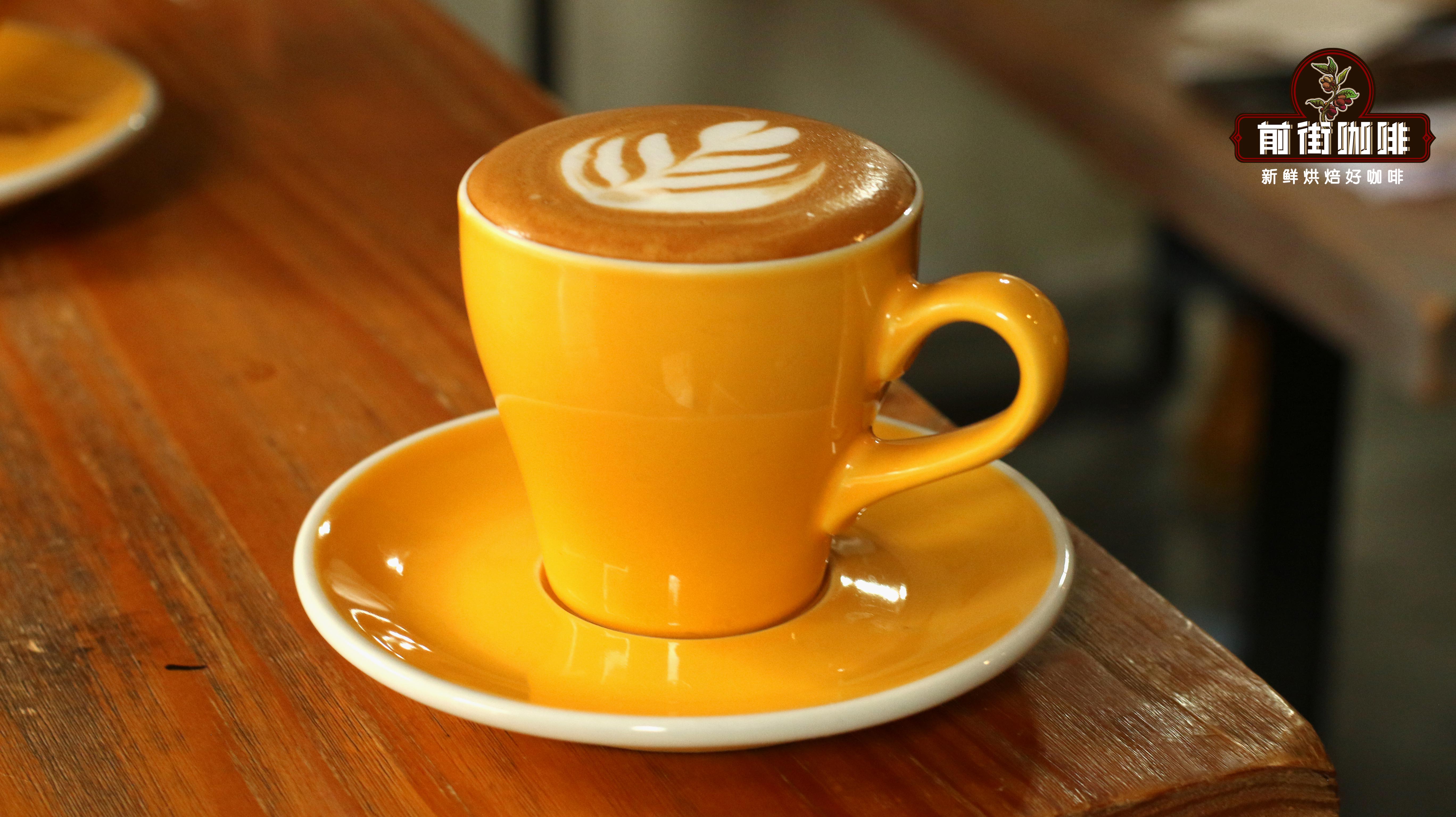
What's the difference between a latte and a cappuccino? A complete guide to the methods, ratios, and caffeine content of Italian milk coffees
Latte and cappuccino are the two most frequently ordered milk coffees on the Italian coffee menu. They share the same ingredients—espresso, milk, and milk foam—but their texture and ratios are quite particular. Drawing on Front Street Coffee's production experience, this article systematically sorts out the definitions of latte and cappuccino, their historical origins, the choice of espresso beans, extraction parameters, milk steaming temperature and foam thickness, as well as their respective recommended ratios and flavor performance. It also answers the common question of how much caffeine a latte contains, helping coffee lovers more clearly choose the Italian milk coffee that suits their taste. [more…]
Is latte coffee actually coffee? A comprehensive interpretation from Italian etymology to decaf latte oolong.
Walk into a coffee shop and order a latte—does what's served up always contain coffee? Why is there often no trace of coffee in matcha lattes or red velvet lattes? To answer these questions, we need to start with the Italian word "Latte" itself. Latte originally meant hot milk, while caffè latte is the classic blend of espresso and milk. As caffè latte swept the globe, "latte" gradually became shorthand for milk coffee by default, and so a batch of coffee-free drinks also came to use the name. This article will trace the evolution of latte from Italy to the United States, explain the two practical reasons behind the naming of coffee-free lattes, and remind everyone to take a closer look at the menu categories before ordering, so as to avoid getting something you didn't want. [more…]
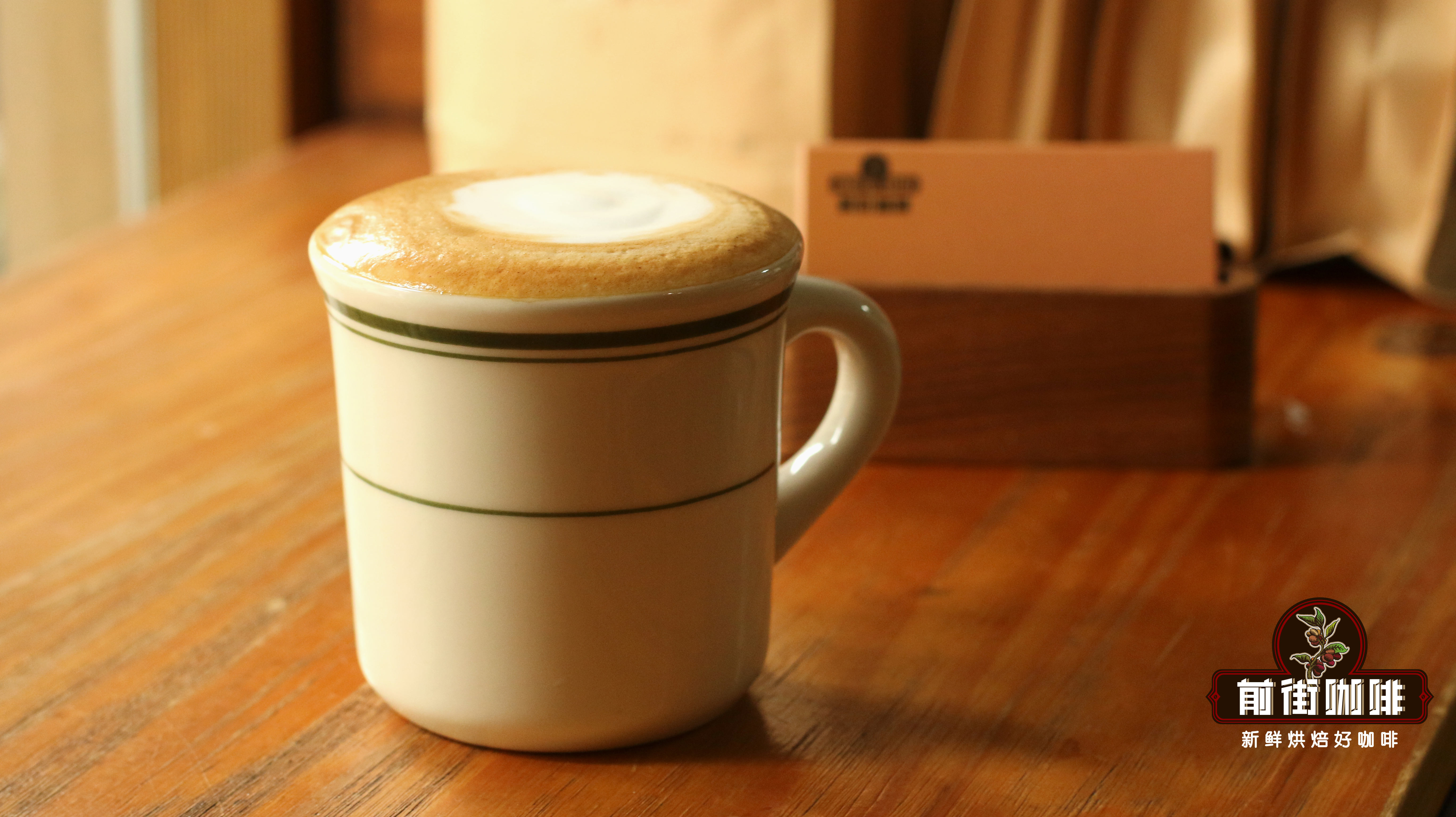
The Standard Method for Italian Cappuccino and Espresso Dosage: From Historical Origins to the Difference Between Milk and Coffee
Cappuccino is one of the most iconic milk coffees in Italian espresso culture. Along with the latte, it belongs to the milk coffee family, yet its identity is entirely different—cappuccino is a classic drink exclusive to Italy, whereas the latte is not uniquely Italian. Today, the cappuccinos and lattes served in many coffee shops look almost identical, with the only remaining difference being the thickness of the milk foam, which has gradually blurred the true face of traditional cappuccino. This article traces the historical origins of cappuccino, explores the written records that predate the invention of the Italian espresso machine, analyzes the connection between its name and the robes of Franciscan friars, and explains the espresso dosage and key preparation points of an authentic Italian cappuccino, helping you rediscover this classic milk coffee. [more…]

A Complete Guide to the Espresso Coffee Family: From the Espresso Trio to Milk-Based Specialty Drinks
During the dog days of summer, when you'd rather not dig deep into origin theories and extraction science, Front Street Coffee figured it would just walk everyone through the vast system of Italian coffee. We'll start with the three espresso brothers—Espresso, Ristretto, and Lungo—then move on to the difference between Americano and Long Black, the milk coffee family of Latte, Cappuccino, Macchiato, Flat White, and Piccolo, as well as Italian specialty drinks like Mocha, Affogato, Con Panna, and Corretto. This article introduces each drink category by category, covering ratios, flavor characteristics, and whether it's served hot or cold, helping you understand what those names on the Italian coffee menu really mean—so you won't be confused when ordering. [more…]

What's the difference between an Italian milk coffee and a French au lait? Can pour-over coffee actually be made with milk?
Milk coffee actually has Italian and French variations? This seemingly obscure topic actually hides a fundamental difference in coffee strength and mouthfeel. Italian milk coffee uses espresso as its base, with high strength and full flavor; French au lait, on the other hand, uses any black coffee with milk, offering a softer taste and a lighter burden. So can pour-over coffee actually have milk added? How much is appropriate? Starting from Front Street's actual brewing parameters, this article guides you through the essential differences between the two types of milk coffee and provides a specific recipe for café au lait. Whether you're an espresso enthusiast or a pour-over devotee, you'll find the cup that suits you. [more…]
The Origins and Flavor Characteristics of Latte: From Italian Milk to the Evolution of Espresso
Latte is a classic fusion of espresso and milk, but its origins are far more convoluted than one might imagine—why do some "lattes" contain no coffee? Why do Italians get a glass of milk when they order a Latte? This article traces the complete story of latte, from etymology and history to crafting techniques, following its journey from Italian breakfast tables to cafés worldwide, and shares Front Street Coffee's hands-on experience in ingredient selection, ratio balancing, and crema control, helping coffee lovers understand what makes a good latte. [more…]
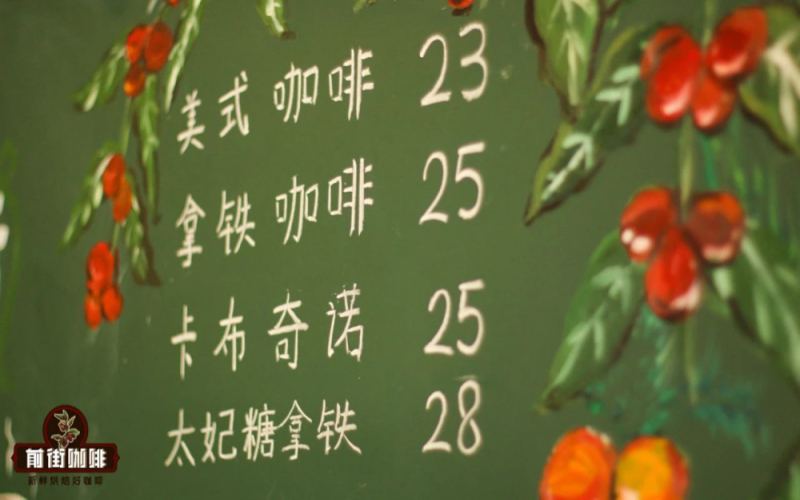
An Analysis of Common Espresso Drinks: Flavor Differences and Blending Approaches from Espresso Base to Latte and Cappuccino
Walking into a café and faced with a wealth of options like latte, cappuccino, macchiato, and mocha, many people find it hard to tell them apart at a glance. In fact, all of these Italian-style coffees share Espresso as their common foundation, with milk, milk foam, chocolate, or hot water added in different proportions to create their own flavor profiles. This article will take espresso extraction as its starting point, systematically sorting through the recipe structures, origins of names, and taste characteristics of common Italian-style coffees one by one, and explaining that the line between latte and cappuccino is not sharply drawn, but rather a variation in proportions and emphasis. At the same time, drawing on the production practices of Front Street Coffee (FrontStreet Coffee), it introduces the extraction parameters and flavor performance of its espresso blend beans, helping readers, after understanding the classic proportions, adjust a cup that better suits their personal taste. [more…]
Philips 8833 Fully Automatic Espresso Machine Operation Guide and Classic Coffee Recipes Sharing
Do you want to easily enjoy an authentic espresso at home? The Philips 8833 fully automatic coffee machine may be just the partner you need. This article will take this model as an example to explain in detail its usage and design highlights, while also introducing the preparation ideas for classic drinks such as latte, au lait, and Baileys iced coffee. As the soul of Italian coffee, espresso is an important standard for judging the quality of a cup of coffee, and mastering the correct operation method can allow the flavor of the coffee beans to be released more fully. Whether you are a beginner who has just come into contact with a fully automatic coffee machine, or an enthusiast hoping to improve your daily brewing experience, you can gain practical reference from the following text. [more…]
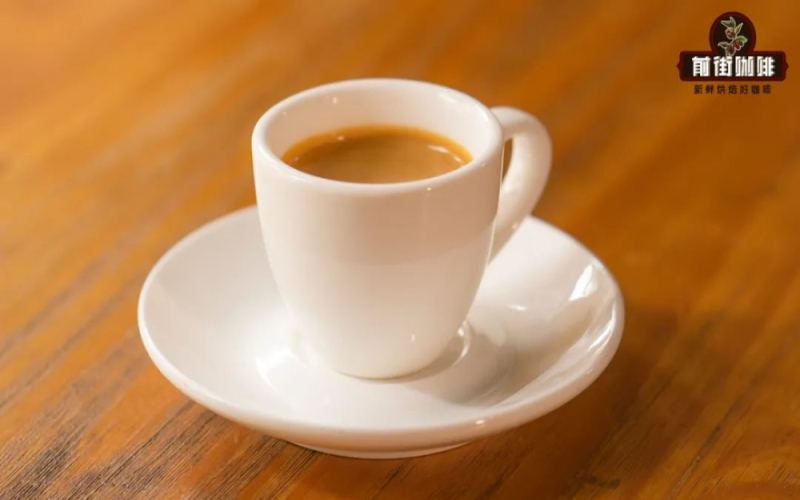
From Espresso to Dirty Coffee: A Full Analysis of the Origins and Evolution of Common Italian Coffees on Coffee Shop Menus
Walk into any coffee shop, and those familiar names on the menu—latte, cappuccino, flat white, americano—all actually stem from the same base: espresso. But have you ever wondered why these coffees are called what they are? And what origins do they each have? This article will take you through the birth stories of espresso, americano, cappuccino, latte, mocha, macchiato, caramel macchiato, flat white, and Dirty one by one, from Italian coffee houses to Australian coffee culture, and then to Japanese creative inspiration, to understand the historical threads behind each cup of coffee. After learning about these origins, perhaps you'll taste more the next time you savor them. [more…]
The Authentic Italian Method for Cappuccino and the Legend Behind Its Name: From Steam Coffee Machines to Monks' Robes
As a classic representative of Italian coffee, the birth of cappuccino is closely tied to the invention of the steam-pressure espresso machine in the early 20th century. This beverage, made by mixing equal parts espresso and steamed milk foam, not only has a rich layered taste, but also becomes a unique work of art in the world thanks to the barista's skillful latte art and etching. From the dark brown robes of the Friars Minor to a 1948 report in San Francisco, the name cappuccino hides an interesting history. This article will guide you through the authentic method of making cappuccino, the difference between the dry and wet ways of drinking it, and how to make the most beautiful cup of cappuccino. [more…]
A Complete Guide to Making Latte and Café au Lait: From Italian to French Home Methods and Recipes
Latte and au lait are two milk coffees that many coffee enthusiasts first encounter when starting out. A latte is based on espresso, topped with an equal amount or even more hot milk, giving it a smooth, sweet taste; au lait, on the other hand, originates from France, pouring espresso and hot milk simultaneously into a large cup, then finishing with milk foam, showcasing a relaxed and free-spirited flavor. Although both blend coffee with milk, they each have their own particularities in preparation methods, equipment used, and drinking habits. This article will break down in detail the Italian, American, and macchiato variations of lattes, and include a complete step-by-step guide and recipe ratios for au lait coffee, helping readers easily recreate them at home. [more…]
Espresso Coffee Fully Explained: A Detailed Guide to the Recipe Ratios and Methods of the Espresso Base, Black Coffee, and Milk Coffee Families
The world of Italian coffee is far richer than a single cup of Espresso. From the three variations of the espresso base—Espresso, Ristretto, and Lungo—to the Americano and Long Black in the black coffee camp, and then to the milk coffee family of Latte, Cappuccino, Macchiato, Flat White, and Piccolo, each one has its own unique logic of proportions and flavor orientation. In addition, there are Italian specialty drinks such as Mocha, Marocchino, Affogato, and Con Panna, as well as the recently popular Dirty and European-style iced shaken coffee. This article will systematically sort out the preparation recipes and proportional relationships of these fancy coffees, helping coffee lovers understand the differences and connections between them, so that whether ordering in daily life or making them by hand, they can have a clear understanding. [more…]
A Complete Guide to Espresso: From Latte to Macchiato, Understanding Coffee Types and Ratios
Walking into a coffee shop, faced with the many options on the menu like latte, cappuccino, macchiato, and mocha, have you ever felt confused? These drinks are actually all based on espresso, evolving through adjustments to the proportions of coffee, milk, milk foam, and other ingredients. This article, compiled by Front Street Coffee, systematically sorts out the main types of Italian coffee and their flavor characteristics, explains in detail the mixing ratios for each drink, and introduces the Sunflower Warm Sun blend coffee beans and extraction parameters used by Front Street stores to make espresso. Whether you are a coffee enthusiast just starting out or a connoisseur wanting to gain a deeper understanding of the Italian coffee system [more…]
Types of Espresso Drinks | How Can Coffee Beginners Learn to Make Espresso Black Coffee and Milk Coffee? What Are the Recipe Ratios for Various Espresso Drinks?
For those who are just getting into espresso coffee, facing a bunch of coffee terms can leave you feeling completely lost, such as Espresso, Ristretto, Lungo, Latte, Flat White, and so on. These all fall under the category of espresso coffee. Front Street Coffee (FrontS [more…]